Mortgage rates have never stayed still. They’ve shifted with inflation, economic slowdowns, policy swings, and global events. From the high rates of the 1970s and early 1980s to the record lows seen during the pandemic, these changes have had a real effect on what people pay for their homes.
Understanding this history isn’t just for economists—it helps anyone looking to buy, sell, or refinance a home today. Mortgage rate history isn’t random. It reflects the economy's mood and momentum over the years. Here's a clear, down-to-earth look at how mortgage rates evolved between the 1970s and 2025.
The 1970s and 1980s: High Inflation and the Mortgage Spike
The 1970s were marked by economic pressure from all sides—rising oil prices, heavy government spending, and global uncertainty. Inflation kept climbing, and lenders responded by raising mortgage rates to keep up. What started as an average 30-year fixed rate of about 7.3% in 1971 turned into double digits by the end of the decade. Borrowing got more expensive, fast.
In the early 1980s, things escalated. Fed Chair Paul Volcker tackled inflation head-on by raising interest rates sharply. As a result, mortgage rates soared, hitting over 18% in 1981. That made homeownership out of reach for many, with monthly payments far beyond what most could manage. Builders slowed down, buyers held back, and refinancing wasn’t worth it.
Relief came slowly. By the mid-1980s, inflation cooled and rates dropped back to around 10%. Still high, but better than before. It didn’t spark a housing boom, but it gave buyers a little breathing room after a tough stretch.
1990s to Early 2000s: Gradual Decline and Stability
The 1990s marked a period of cooling inflation and steadier growth. Mortgage rates followed suit. The average 30-year fixed loan stayed between 7% and 9% for much of the decade. The Federal Reserve kept a closer eye on inflation while avoiding the drastic policy swings seen in previous years.

Lower inflation helped keep home loan rates steady. People began buying homes in larger numbers. Mortgage products became more varied, and fixed-rate loans remained popular. The housing market found a more comfortable rhythm. Even during brief economic slowdowns, such as the 1990–91 recession, rates held relatively steady.
After the dot-com bubble burst in 2000, the Fed cut interest rates again. By 2003, average mortgage rates had dipped below 6%. This drop spurred a surge in refinancing and new home purchases. Adjustable-rate mortgages also gained popularity due to their initially lower payments.
By 2005 and 2006, mortgage rates rose slightly—hovering around 6.5%. Still, housing demand remained high. However, looser lending standards and a growing dependence on subprime loans created instability that would soon become a serious problem.
2008 Financial Crisis to 2020: A New Low
The financial crisis that began in 2008 hit the housing sector hard. Home prices fell, foreclosures surged, and banks tightened their lending. To prevent a total collapse, the Federal Reserve slashed its benchmark rate and bought large amounts of mortgage-backed securities.
These actions pushed mortgage rates down sharply. By 2012, the average 30-year fixed mortgage rate had dropped below 4%. This period was a turning point. Homeowners rushed to refinance, and lower borrowing costs helped steady the housing market, even as economic recovery remained slow.
Throughout the 2010s, mortgage rates stayed relatively low. The range was mostly between 3.5% and 5%, depending on the broader economic climate and Fed policy. Low rates made homes more affordable—even as prices rose again due to limited inventory.
In 2020, the global health crisis caused widespread uncertainty. In response, the Federal Reserve lowered interest rates to near zero. Mortgage rates dropped to record lows. By early 2021, the average 30-year fixed rate was around 2.65%. These low rates helped trigger a housing boom as buyers moved quickly to take advantage of cheaper borrowing.
This was the lowest point in modern mortgage rate history. It created a highly active market, but also led to bidding wars, fast-rising prices, and more challenges for first-time buyers. Still, for those who secured a loan during this period, monthly payments were unusually low compared to past decades.
2021 to 2025: Fast Climb and Gradual Cooldown
What followed caught many by surprise. Inflation, which had been calm for years, surged in 2021. Supply shortages, rising wages, and global tensions drove prices higher. In response, the Federal Reserve raised interest rates rapidly through 2022 and 2023.
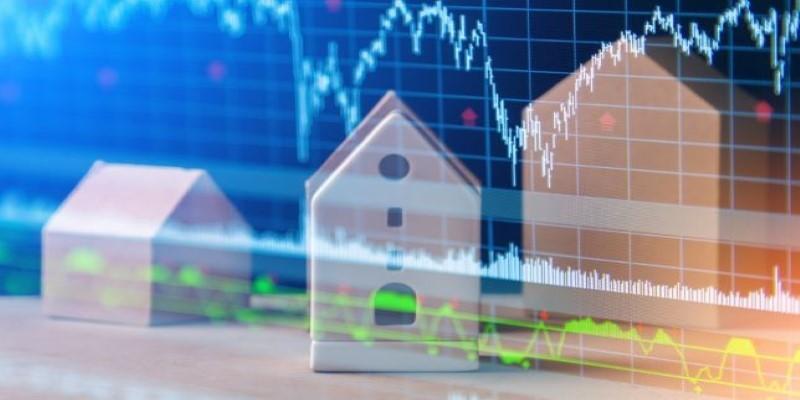
Mortgage rates jumped as a result. The 30-year fixed rate rose from around 3% in early 2022 to above 7% by the end of 2023. This made monthly payments harder to manage, especially as home prices had not yet adjusted. Many buyers hit pause. Others were priced out. Homeowners with low-rate loans stayed put rather than sell and borrow at a much higher rate.
In 2024, inflation started to ease, and the Fed slowed its rate hikes. Mortgage rates leveled off, averaging between 6.5% and 6.7%. The housing market cooled, and price growth slowed, giving buyers a chance to breathe. Home loan rates still felt high to those used to the ultra-low rates of the past decade, but they were closer to long-term norms.
Now, in 2025, mortgage rates hover around 6.2%. It’s not low by recent standards, but compared to the highs of the 1980s, it’s manageable. Buyers are adjusting. Lenders are offering more rate options, and the market is starting to feel less rushed. Home loan rates remain tied to inflation trends, labor markets, and Fed policy. They reflect broader forces—not just housing demand.
Conclusion
Mortgage rate history shows just how tied the housing market is to the bigger picture. Over the past 50 years, rates have moved from extreme highs to historic lows, depending on inflation, economic policy, and unexpected world events. Each decade brought its challenges—from the steep costs of the early 1980s to the sharp pandemic-driven drops in 2020. Today's rates may feel high after recent lows, but they fit within a larger story. Understanding history helps people make smarter decisions when borrowing, buying, or refinancing. It's less about chasing the lowest rate—and more about knowing the landscape.