
Greece is a country of ancient heritage, picturesque hospitality, and colorful traditions. Participation in Greek festivals, which are organized periodically, is one of the finest ways of learning about its culture. The festivals, which are accompanied by music and dance, food, and faith, are the true depictions of the traditions of the locals. Be it religious holidays, folk dancing, or local customs, it is an opportunity to have something for everybody. They bring together the locals and visitors, whether in large cities or in small rural villages. We identify the most lively Greek cultural festivities and travel Greece happenings in this guide that you can enjoy to sense the spirit of Greece in its best way.
Why Greek Festivals Are Worth Experiencing
Deep Cultural Roots and Heritage
Most of the Greek festivals date back to centuries when they have been celebrated through generations. Such occasions maintain the tradition of ancient myths, past battles, and religious practices. They are more than shows and are part of a statement of identity and pride. Tourists usually are carried away by the combination of rituals and costumes with storytelling depicting the past and future. The ancient music of the instruments and chants resonates with the history of different regions. When one visits such events, it is synonymous with visiting a museum that is breathing; the culture is not only exhibited, but it is shared as well. In each dance and ritual a bit about the proud and rich heritage of Greece surfaces.
Local Traditions and Community Spirit
In addition to historical meaning, the Greek cultural festivals underline the high level of community among the towns and villages. The neighbors will make plans together, decorate locations, and receive visitors warmly. Every festival is a group task, and everyone can have a role in the festivals, including children, adults, and tourists. This togetherness is particularly evident when having meals together and in parades and performances in groups. People like to talk about the sense of traditions, and a foreigner feels like a guest of the festivity. These are not only festivals that are being visited by tourists but also experiences that are lived by those people who cherish their origins. That is the emotional community spirit that is so memorable in Greek festivals.
Major Greek Cultural Celebrations by Region
Athens and Its Festival Highlights
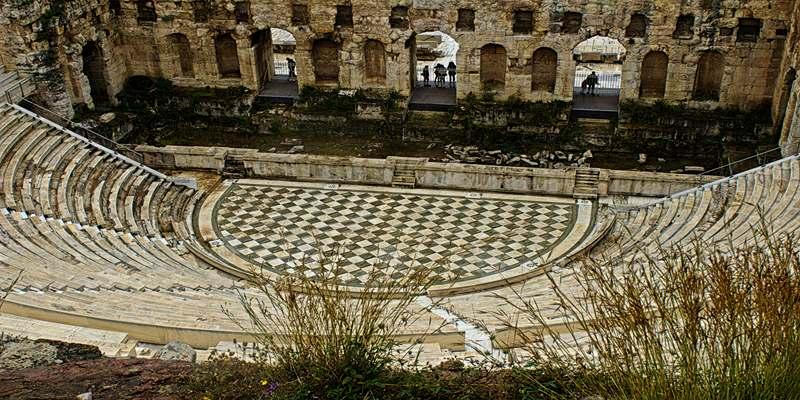
The capital of Greece is Athens, which has numerous significant things to do regarding traveling in Greece. One of the best attractions is the Athens Epidaurus Festival, a music, dancing, and ancient play festival in old historical sites. The Feast of Saint George in different neighborhoods is another huge occasion involving the processions on the streets and the folk dancing. The visitors will also be able to encounter local fairs on national holidays. These festivals are a combination of contemporary energy and ancient culture, making them a special cultural experience. Being the cradle of Greek civilization, Athens expresses both the ancient heritage of the nation and its modern identity in a combination of traditions and innovations, which makes the Athens festivals one of the best ways to explore the culture.
Island Celebrations Like Crete and Rhodes
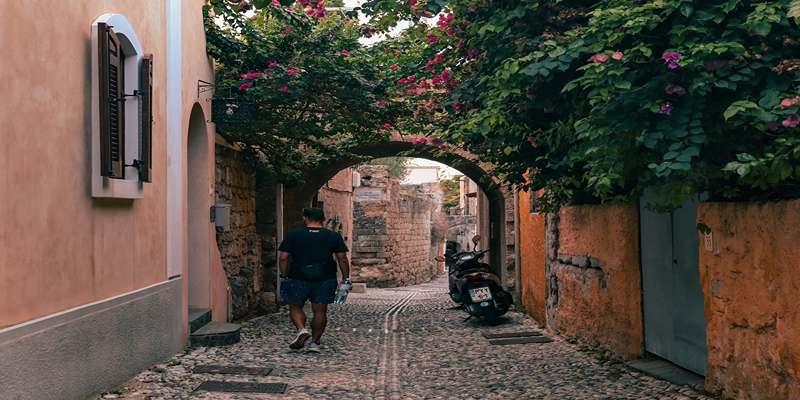
Greece consists of islands, which also have their traditions particularly shown in Greek festivals. On Crete at the Feast of Saint Titus music and people are heard out. There are traditional customs of dress and dances of the natives of the local lands. The Medieval Rose Festival takes place on Rhodes and recreates the Byzantine heritage of the island through reconstructions and handicrafts. Such occasions tend to involve artisan products, narration, and domestic food. By attending, the tourists are able to obtain knowledge on the unique identities of the islands. The two islands have their respective traditions of celebration because of the geography and history involved in the two islands. Island festivals present a vibrant look at the cultures even in the mountain villages of Crete and the cobblestone streets of Rhodes.
Seasonal Travel Greece Events To Attend
Spring and Summer Celebrations
Spring and summer are ideal times to enjoy travel Greece events, with longer days and mild weather. Orthodox Easter is the most significant celebration, marked by candlelit processions and traditional meals. In May and June, local flower festivals celebrate nature’s bloom with parades and handmade wreaths. In August, the Feast of the Assumption takes place nationwide, particularly vibrant on the island of Tinos. Summer also brings music and dance festivals to open-air theaters and town squares. These warm-weather gatherings attract both locals and tourists, offering a festive environment that combines natural beauty with cultural expression.
Autumn and Winter Festivities
While summer is busy, Greek festivals in autumn and winter offer more intimate and meaningful experiences. In November, Ohi Day honors national resistance with parades and school performances. December sees the lighting of Christmas boats, a traditional practice especially common in coastal towns. New Year celebrations include the cutting of Vasilopita, a sweet bread with a coin hidden inside for good luck. Epiphany in January features the Blessing of the Waters, where brave swimmers retrieve a cross thrown into the sea. These events reveal Greece’s spiritual side and allow visitors to experience deep-rooted customs during cooler, less crowded months.
Religious and Historical Greek Festivals
Orthodox Easter is the most sacred of Greek cultural celebrations. It begins with Holy Week, during which churches hold nightly services and rituals. On Holy Saturday, a candlelight procession leads to the midnight Resurrection service. Fireworks often follow, symbolizing new life. The next day, families gather for a lamb feast, and communities celebrate with music and dancing. Each region has its unique version of the Easter tradition. From village bonfires to red egg cracking games, the holiday blends spirituality with festivity. Visitors are welcomed warmly and encouraged to join in, making Easter an unforgettable cultural moment in Greece.
Conclusion
Greek festivals offer a window into the soul of the country. Through dance, music, history, and faith, these events bring people together in powerful ways. From Easter traditions to local island gatherings, each celebration reveals a different side of Greece. Whether you are visiting Athens or a small mountain village, attending a festival will enrich your journey. These Greek cultural celebrations go beyond sightseeing, allowing real interaction with tradition. For anyone planning to travel Greece, festivals are not to be missed. They are vibrant, heartfelt, and a beautiful way to experience the true spirit of Greek life.