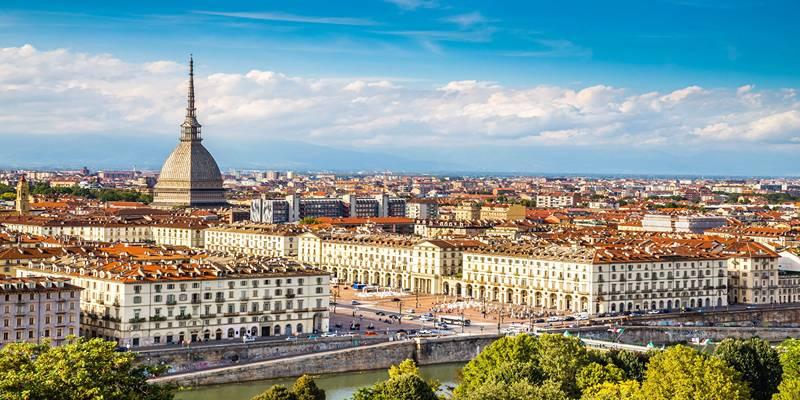
Turin is a city that rewards good timing. Nestled in Italy’s northwestern region of Piedmont, this urban destination offers striking architecture, sprawling public spaces, and alpine backdrops. However, the experience can shift dramatically depending on the time of year. Each season in Turin brings with it a distinct atmosphere—from peaceful tree-lined walks in spring to crisp air and mountain views in winter. Deciding when to visit Turin is not just a matter of weather but a combination of accessibility, affordability, and how the city moves through its seasonal rhythm.
This guide breaks down the best times to visit Turin, based on climate patterns, foot traffic, and visitor experience. For travelers who value clear skies, pleasant temperatures, and local culture, this information will help map out the most rewarding travel period.
Spring: Mild Weather and Easy Exploration
The months of March through May are widely considered among the best times to visit Turin. Spring introduces mild temperatures ranging from 12°C to 22°C, depending on the month. The air is crisp but not cold, and sunny days gradually increase. Rainfall is moderate, often limited to short, scattered showers.
Spring in Turin feels refreshingly calm. The crowds are light, especially compared to summer. Public gardens such as Parco del Valentino and Giardini Reali begin to bloom, making urban strolls particularly scenic. Outdoor cafés and restaurants operate without long waits, offering an ideal environment for relaxed travel.
What makes spring stand out is the sense of balance. It’s warm enough to explore on foot without overheating and cool enough to enjoy layered clothing comfortably. Visibility is also excellent, especially on clear mornings when the surrounding Alps appear distinctly on the horizon.
Hotel rates remain affordable during early spring, making it a smart choice for travelers who want value without sacrificing experience. The streets are quieter, allowing visitors to explore popular districts like Quadrilatero Romano or Via Roma without the seasonal bustle.
Summer: High Activity and Urban Energy
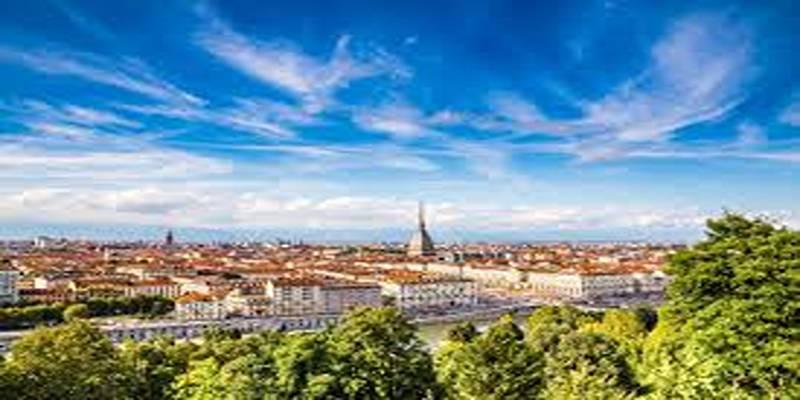
Summer in Turin runs from June through August, bringing warmer temperatures, longer days, and a more energetic pace to the city. Daily highs often reach 28°C to 30°C in July and August, with occasional spikes. Humidity increases slightly, but the dry Alpine breeze keeps it manageable most days.
It is the season when Turin fully opens up. Open-air events, outdoor performances, and weekend markets create a dynamic environment. Public squares such as Piazza San Carlo and Piazza Vittorio Veneto stay active well into the evening, and the city’s wider avenues and arcades are abuzz with pedestrians, cyclists, and street vendors.
That said, this is also Turin’s high season for tourism. Popular spots see more foot traffic, and accommodation prices peak. Booking ahead is highly recommended if planning a visit during this period. Many locals leave the city for holidays in August, which can make some smaller businesses less accessible, but major attractions and services continue to operate smoothly.
Summer is ideal for travelers who enjoy lively city streets, vibrant public life, and extended daylight hours to fit more into the day. However, those sensitive to heat may prefer the cooler edges of the season.
Autumn: Scenic Walks and Seasonal Flavors
The months of September through November bring a welcome transition from summer’s heat to autumn’s calm. Temperatures gradually decline, starting around 24°C in early September and reaching 10°C or lower by late November. Rain becomes more frequent but usually remains manageable, especially during the first half of the season.
Autumn in Turin is known for its scenic ambiance. Trees lining the city’s boulevards change color, creating picturesque avenues and walkways. Parks and riverside paths become popular spots for afternoon walks, and visibility remains excellent for photography.
This season is also well-suited to those who enjoy comfortable weather paired with a quieter urban atmosphere. As the summer crowds thin out, restaurants, museums, and pedestrian areas become more accessible. Travelers can take their time exploring neighborhoods like Crocetta or Cit Turin without feeling rushed or crowded.
Accommodation tends to become more affordable from mid-October onwards, and the overall cost of travel drops in comparison to peak summer months. The city’s transit system continues to operate efficiently, and walking remains one of the best ways to absorb the atmosphere.
Visitors interested in local produce and seasonal flavors will find that autumn introduces a wide variety of fresh dishes using regional ingredients.
Winter: Quiet Streets and Cozy Urban Vibes
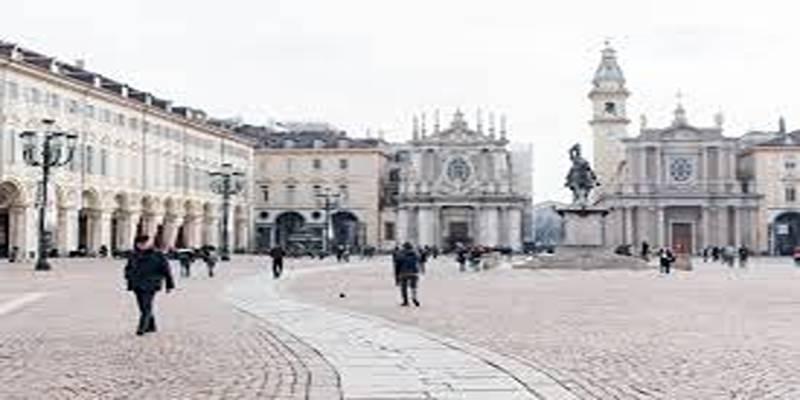
Winter arrives in December and continues through February, transforming Turin into a cool and composed version of itself. Temperatures range from 0°C to 8°C, occasionally dropping below freezing. Snowfall is rare within the city, but not impossible. Surrounding mountains receive more snow, giving Turin a postcard-like background on clear days.
Tourism slows down significantly in winter, which many travelers view as an advantage. Hotels and guesthouses often offer lower rates, and the major attractions are refreshingly uncrowded. Streets feel wider, plazas feel grander, and the pace of life slows just enough to savor every detail of the architecture and surroundings.
It is also the season to embrace the indoor comforts that Turin does well. Cafés, bakeries, and tea rooms across Via Lagrange and Via Po offer warm seating and scenic street views, allowing visitors to unwind while still absorbing the city. Art galleries, design studios, and contemporary exhibitions continue to operate year-round, making it an appealing time for culture-focused travelers.
Conclusion
Turin offers something special in every season, but the best time to visit depends on what kind of experience a traveler seeks. Spring and autumn strike the perfect balance for most visitors, offering mild weather, fewer crowds, and beautifully changing landscapes. Summer is best for those who love outdoor energy and don’t mind paying a bit more for accommodation. Winter, though quieter, has its charm—cool air, peaceful streets, and indoor comforts.
Choosing the right season to visit Turin is not just about checking the weather forecast. It’s about matching personal travel preferences to the city’s natural rhythm.