Compact, creative, and forever sociable, Dublin rewards curious explorers with a patchwork of green parks, salty sea air, bold street art, and legendary pubs. The Irish capital’s most excellent appeal lies in its variety: coast and countryside mingle with cutting-edge galleries and neighbourhood markets, all within an easy public-transport radius.
The following numbered experiences showcase the very best of Dublin in 2025, providing a balanced itinerary that maximises outdoor pleasure, cultural discovery, and evening cheer, without drifting into dry historical lectures.
1. Trinity College Library
Set at the heart of a Georgian campus, the Long Room impresses visitors with a vaulted ceiling, polished oak shelves, and the gentle scent of centuries-old paper. Timed entry now caps numbers, allowing clear sightlines to illuminated manuscripts and marble busts.
Photography zones are marked discreetly, reducing congestion and preserving tranquillity. Those who book the earliest slots gain quieter moments before strolling the cobbled quadrangles, where espresso kiosks offer locally roasted blends beneath mature sycamore trees.
2. St. Stephen’s Green
A short wander from Grafton Street’s shopping bustle, this Victorian park provides picnic lawns, ornamental lakes, and quiet alcoves shielded by rhododendron banks. Office workers relax on bench-lined paths at lunch, while visiting families feed waddling ducks and admire neatly clipped flowerbeds that change colour by season. Musicians often occupy the central bandstand on sunny days, filling the leafy refuge with soft acoustic melodies without overpowering the gentle splash of fountains.
3. Howth Cliff Walk
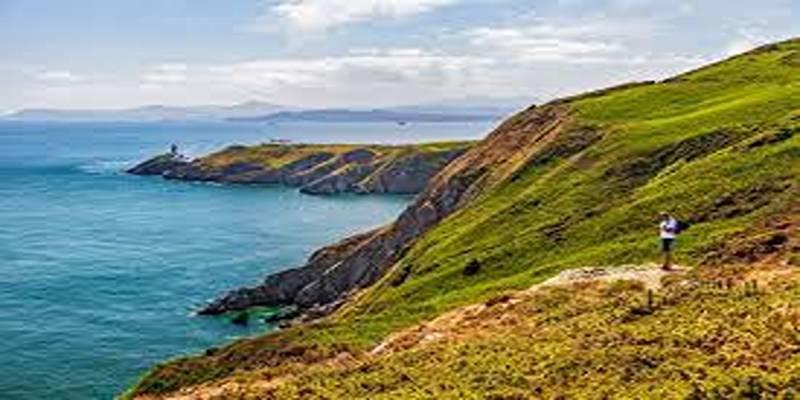
The seaside village of Howth lies 30 minutes by commuter train, yet delivers wild Atlantic drama. A well-marked loop rises from the harbour to heather-draped cliffs where kittiwakes wheel overhead and grey seals bob below.
Picnic rocks overlook Ireland’s Eye, an uninhabited island sanctuary, while the Baily Lighthouse flashes reassurance to passing cargo ships. Fish-and-chip shacks greet footsore hikers on return, and evening trains whisk satisfied diners back to the city centre.
4. Phoenix Park
Covering more ground than many European capitals, Phoenix Park merges manicured lawns, wooded glades, polo fields, and a free-roaming fallow deer herd. Rental bikes near the main gate transform the vast space into an accessible circuit, while low-traffic roads suit casual rollerskating and pram walks.
Dublin Zoo, a lakeside tea room, and weekly farmers’ markets supply family-friendly diversions, yet a simple blanket spread beneath ancient oaks offers equal satisfaction on mild afternoons.
5. Irish Museum of Modern Art (IMMA)
Contemporary creativity occupies a former royal hospital whose thick stone walls contrast with experimental installations inside. Rotating exhibitions highlight Irish and international artists tackling themes such as identity, technology, and climate.
Sculptures spill into symmetrical courtyards, where café tables catch shafts of sunlight against limestone facades. Admission to the grounds remains free, inviting budget-minded travellers to browse outdoor works before deciding whether to purchase a gallery ticket.
6. Dublin Food Markets
Weekend appetites converge on George’s Street Arcade, Temple Bar Food Market, and Moore Street’s bustling stalls, where clouds of steam announce sizzling dumplings, vegan doughnuts, and Galway oysters shucked to order.
Shoppers weave between crates of foraged mushrooms and wheels of farmhouse cheese, assembling impromptu tasting journeys. Many traders reward reusable containers with discounts, giving eco-conscious diners an extra reason to keep collapsible cutlery handy.
7. Croke Park Skyline Tour
The Croke Park Skyline Tour offers a unique rooftop walk above Ireland’s largest stadium, with sweeping 360-degree views of Dublin. Visitors can spot key landmarks from five viewing platforms while learning about the city through guided commentary.
The experience suits most fitness levels and is especially rewarding at sunset, when the skyline glows. It’s an ideal mix of light adventure and scenic discovery, away from the typical tourist paths.
8. Grand Canal Cycleway
Tree-lined towpaths extend west from Portobello locks, replacing traffic noise with lapping water and rhythmic pedal turns. Herons stalk reeds, narrowboats chug leisurely past, and coffee carts perch at every second bridge.
Dublin’s bike-share network positions docking stations at strategic access points, enabling one-way rides that end at neighbourhood cafés famed for pastel-coloured Georgian doorways. Evening commuters often swap pedals for pints, reinforcing the canal’s role as a social corridor as well as a transport route.
9. Forty Foot Sea-Bathing Spot
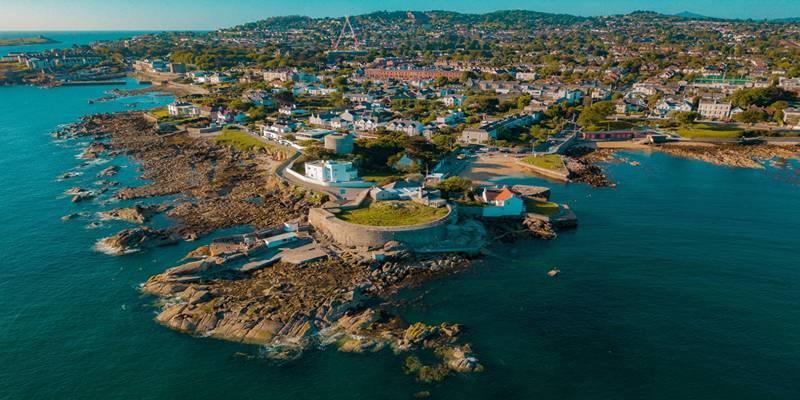
Dalkey’s storied bathing rock offers ladders, changing shelters, and unwavering local enthusiasm for cold-water immersion. Summer mornings witness steady queues for dawn dips, whereas winter’s brave regulars swear by post-plunge hot chocolate from the adjacent kiosk.
The waters remain brisk year-round, yet the adrenaline rush eclipses the chill within seconds. On clear days, swimmers glimpsing Howth Head across the bay gain a tangible sense of Dublin’s coastal scale.
10. National Botanic Gardens
Glasshouses fashioned from curvilinear iron shelter palms, carnivorous plants, and delicate orchids, while outdoor beds celebrate Irish cultivars and seasonal blooms. Free entry ensures steady footfall, yet the spacious grounds absorb crowds without fuss.
Sign-posted walking loops highlight sculptures, scented borders, and tranquil ponds. A convenient pedestrian gate links directly to Glasnevin Cemetery’s café, allowing garden wanderers to extend their botanical morning into a relaxed lunch break.
11. Jameson Distillery Bow St.
In Dublin’s Smithfield district, the Jameson Distillery Bow St. offers an immersive visitor experience focused on craftsmanship, heritage techniques, and sensory exploration. The guided tour features interactive displays that walk visitors through the distillation process, blending methods, and the role of natural ingredients.
Guests engage with touchpoints that highlight the science behind aroma, texture, and temperature—all delivered in a clear, engaging format. The space blends traditional machinery with modern storytelling, making it suitable for those interested in production processes and hands-on learning.
Conclusion
Together, these 11 activities reveal Dublin as a multifaceted playground where coastal hikes complement city-centre galleries and late-night fiddle tunes echo the same creative spark that fuels modern art.
By balancing urban excitement with easy escapes to sea cliffs and deer-dotted meadows, the Irish capital demonstrates that genuine adventure rarely requires long transfers or packed itineraries—just an open mind, a reusable coffee cup, and perhaps a waterproof layer for the occasional Atlantic shower.