
Not only a part of the United States but also a national park, Arches National Park, in Utah, is an awe-inspiring scenic view of more than 2,000 natural arches of stones, high towering rock structures, and memorable scenes. Being a first-time visitor, this guide may give you all the information you should know to enjoy the best of the park in one or two days. The park has hiking and sightseeing options for people who wish to travel in a group as well as those that want to enjoy a trip with their friends. You will find entry, hiking, sightseeing, and safety tips. Stunning arches and quiet panoramas, Arches National Park has everything to grab your attention and impress nature photographersand geology enthusiasts. Make your trip here with all confidence.

Getting Started with Your Arches Visit
How to Reach Arches National Park
It is easy to get to Arches National Park in case you begin your journey in Moab, Utah, which can be considered the gateway city. Moab takes approximately 3.5 hours to drive to Salt Lake City and approximately 6 hours from Denver, Colorado. The closest airport is the Canyonlands Field Airport, and it is 20 miles away. The park gate is about a few kilometers drive by U.S. Route 191 in the town of Moab. Be sure to fill up and take along any supplies when you enter the park since there is very little offered inside. Arches Park is better to visit to have a possibility of changing routes and reaching some distant points of view by means of a rental car.
Best Times to Visit and Weather Conditions
It can get quite hot in summer, very often more than 100°F; in winter snow and ice may come, in the higher places especially. Late afternoons and early mornings are also the best moments to hike and take pictures because it is not as hot and the light is soft. Weather prediction and time of the year when there are tourist crowds are good things to plan your trip around to improve your experience. This Arches starter guide suggests enjoying more time in the morning and afternoon without the gloomy heat but taking loads of water during the day in any season.
Entry Fees and Passes to Consider
There is a fee to enter Arches National Park, and this contributes towards maintenance and preservation of the park. A regular average car pass is 30 dollars, and it is applicable within 7 successive days. The entry of motorcycles is a bit lower. There is also the option of buying an annual pass that will allow you to wander across various national parks of the U.S. Timed-entry reservations are mandatory during the busy months so as to ease the congestion. They can be reserved online on the National Park Service site. Set a schedule, particularly when on holidays or during weekends. Have your confirmation email or printed pass at the entrance handy. When everything is planned beforehand, then your adventure will definitely start in a fine flow.
Top Must-See Attractions in the Park
Delicate Arch and Iconic Landmarks
Delicate Arch is perhaps the most famous natural structure in Arches National Park. It stands proudly at the end of a 3-mile round-trip hike that climbs gradually through slickrock and open views. The arch’s silhouette against the blue sky creates a perfect photo opportunity. It’s best to hike this trail early or late in the day for cooler temperatures and fewer crowds. Allow two to three hours for the entire visit. Along the way, look for petroglyphs and scenic viewpoints.
Balanced Rock and the Windows Section
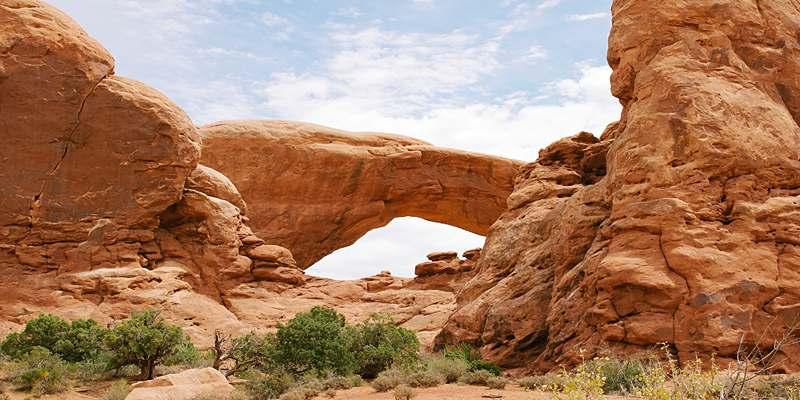
Balanced Rock is a massive, precariously perched rock that’s easily visible from the park road and reachable via a short loop trail. These formations are stunning and can be explored on well-marked trails suitable for all ages. The area is perfect for casual walks, sunrise or sunset photography, and learning about the park’s geology.
Scenic Drives and Overlook Points
Driving through Arches National Park is a scenic experience in itself. The main road stretches about 18 miles one way, winding through red rock canyons, sandstone cliffs, and open desert. Many popular stops have designated parking and short trails leading to viewpoints. Panorama Point, La Sal Mountains Viewpoint, and Park Avenue provide stunning photo opportunities and are great for travelers who prefer short walks. Each stop offers unique angles of the park’s natural beauty.
Tips for Beginner Hikers and Families
Easy Trails and Short Walks
Arches National Park is filled with trails suitable for beginners and families. Some of the best easy hikes include the 0.3-mile Sand Dune Arch Trail and the 0.5-mile Balanced Rock Trail. Both offer interesting rock formations without much elevation change. These trails are ideal for young children, older travelers, or anyone looking for a relaxing stroll. Use this Arches beginner guide to select the best trails for your comfort and time.
Safety Guidelines and Park Rules
Safety is essential in the desert environment of Arches National Park. Always carry more water than you think you’ll need and wear sun protection like hats and sunscreen. Stay on marked trails to protect fragile ecosystems and avoid getting lost. Cell phone service is limited, so download maps ahead of time. Wildlife should never be fed or approached. The park enforces strict rules against defacing rocks or leaving trash behind. Follow Leave No Trace principles to help preserve the landscape for future visitors.
Conclusion
A visit to Arches National Park offers unforgettable experiences shaped by nature’s artistry and centuries of erosion. With this Arches beginner guide, first-time travelers can confidently explore its famous landmarks, scenic trails, and hidden gems. From easy walks to inspiring overlooks, the park welcomes visitors of all ages and abilities. Planning ahead, packing wisely, and respecting park guidelines will ensure a safe and enjoyable trip. Whether you have a day or more, Arches will leave you amazed by its unique landscape and timeless beauty. Let this guide be the beginning of a memorable adventure.