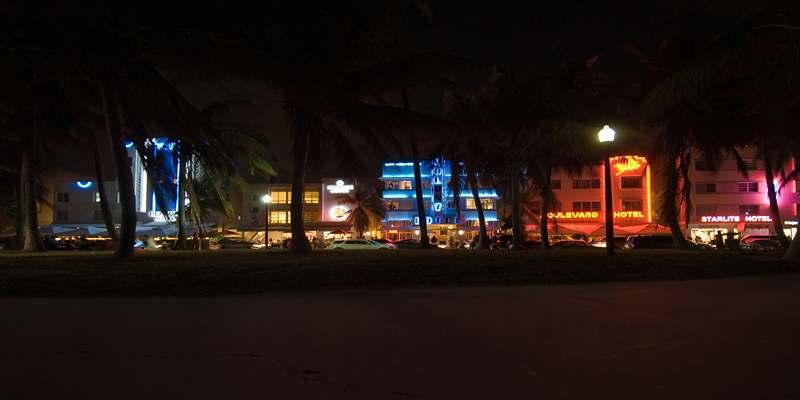
In Miami, the sandy Art Deco District is an embodiment of the world full of culture and art of the 20th century. Hiding on the sunny streets of South Beach, the pastel buildings with a special mixture of history, geometry and a flavour of tropics are mirrored by them. One of the most laid-back methods of experiencing the artistic movement that influenced the formation of the identity of Miami is a walking tour through this scenic location. Every block has a story to tell in colour, shape, and light, whether it is the legendary Ocean Drive or a location not shown to everyone. Being a design lover or just in love with exciting urban landscapes, walking this historic neighbourhood is one of the most valuable cultural experiences that can ever be made by a person willing to immerse in the architectural spirit of Miami.
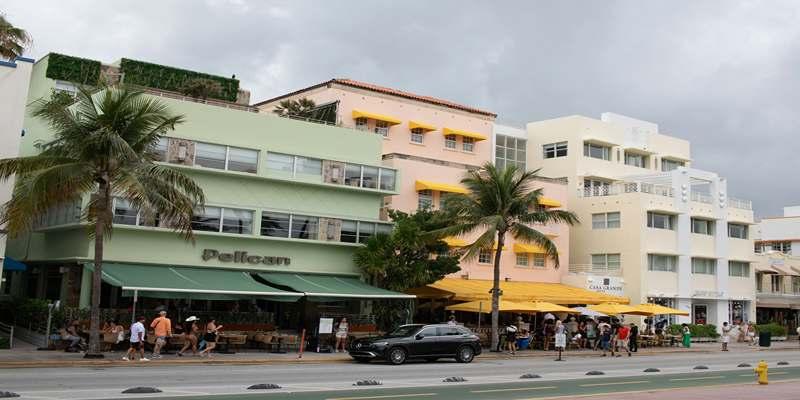
Begin Your Art Deco Walking Tour
Start at Ocean Drive’s Iconic Buildings
Start and make your visit at the infamous Ocean Drive in Miami. The pastel architecture is full of curved lines and neon lights, depicting a postcard picture. The large and luxurious hotels The Colony, The Carlyle, and The Breakwater present the important design characteristics of the 1930s decoration, like symmetry, curves, and streamlined forms. Ocean Drive is also a good starting point, as many guided Art Deco walking tours start here. The sidewalksthat are lined with palms and the backdrop of the Atlantic Ocean create a flawless combination of comfort and inspiration. In case you make a visit to Miami, it is the centre of your Art Deco walking exploration and one of the artefacts of the creative history of Miami.
Walk Through Collins Avenue Landmarks
A brief stroll inland will lead you to Collins Avenue, which will also amaze you with its architecture as much as Ocean Drive does. You can come across landmark buildings here, such as The National Hotel and The Delano, which are characterised by vertical lines and aggressive geometry. As opposed to the playful atmosphere of Ocean Drive, Collins Avenue exudes a more sophisticated tone to structures that are built taller. This is the place where Art Deco, the cultural style that developed in Miami, led to greater land luxury. As you walk, you would find that the colour palettes change slightly but yet hold the pastel charm. This component of the tour gives you substance, as you get to see the spectrum of Miami Art Deco.
Miami Art Deco Architecture Features
Understanding Art Deco Design Elements
Symmetry, streamlined shapes and ornamentation are the characteristics of Art Deco design in Miami. Vertical lines, ziggurat forms and chevrons are frequent elements of buildings. Their source of design was the movement that occurred in Europe in the beginning of the 1900s but got a tropical interpretation in Florida. Usable material includes stucco, glass blocks, and terrazzo. It is utilitarian and ornamental architecture that combines modernity with flair. Art deco leads to such a walking tour wherein every single building will have character, and yet they are harmonised to a bigger picture. This coherence between buildings puts the district of Miami as one of the most visually coherent sites of Art Deco structure to be found worldwide.
The Role of Color and Geometry
Color and geometry are essential to the visual appeal of Miami’s Art Deco District. Unlike other cities, Miami’s interpretation includes bright pastel tones such as seafoam green, peach, and sky blue. These colors reflect the surrounding ocean and sky, giving the buildings a natural connection to their environment. Geometric patterns like zigzags, circles, and sunbursts appear on facades, railings, and window frames. These shapes are not just decoration—they represent optimism and energy from the era they were built. The thoughtful combination of color and geometry gives the buildings a cheerful yet timeless appearance that continues to attract architecture lovers from around the world.
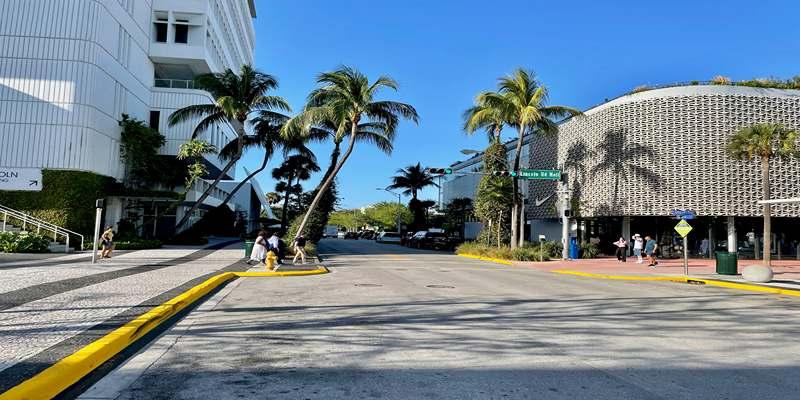
The Art Deco Miami History Timeline
Origins of the Movement in Miami
The Art Deco movement in Miami began in the 1920s and flourished during the 1930s and 1940s. Inspired by trends from Paris and New York, Miami architects adopted the style to fit the coastal city’s tropical setting. Many buildings were constructed as hotels and vacation spots, catering to the growing number of tourists. These structures not only embodied luxury but also brought modern design to South Florida. Despite the Great Depression, the building boom continued, reflecting optimism and resilience.
Revival and Preservation Efforts
By the 1970s, many Art Deco buildings in Miami faced demolition due to urban development. However, a dedicated group of preservationists stepped in to save them. The Miami Design Preservation League was formed and successfully lobbied to have the area declared a historic district. Their efforts sparked a revival, and today, over 800 buildings are protected and maintained. This movement not only saved architectural treasures but also rejuvenated the South Beach economy.
Cultural Stops Along the Tour
Art Deco Welcome Center Experience
The Art Deco Welcome Center on Ocean Drive is an essential stop for anyone taking an art deco walking tour. Operated by the Miami Design Preservation League, this center offers exhibits, maps, and guided tour options. Inside, you’ll find historical displays, original blueprints, and multimedia presentations that explain the significance of the Art Deco movement in Miami. Staff are knowledgeable and often recommend self-guided routes tailored to different interests.
Museums and Public Installations
In addition to the buildings themselves, Miami’s Art Deco District offers cultural stops like The Wolfsonian–Florida International University museum. This museum houses collections of decorative and industrial arts from the same era, deepening your understanding of design history. Along the streets, you’ll also find plaques, murals, and sculpture installations that celebrate the city’s past. These artistic elements add layers of meaning to your tour, connecting architecture to social history.
Conclusion
Exploring Miami’s Art Deco District on foot offers a perfect blend of history, design, and tropical scenery. From the bustling Ocean Drive to quieter avenues, every street holds visual treasures waiting to be discovered. With thoughtful planning and a relaxed pace, the art deco walking tour becomes an unforgettable experience. The preserved buildings, cultural landmarks, and vibrant atmosphere give visitors a deeper appreciation for Miami’s identity. Whether you are passionate about architecture or simply enjoy scenic strolls, this journey through the Art Deco District is one of the best ways to visit Miami with meaning and beauty.